5 Scenarios Where Tree Removal Is Unavoidable
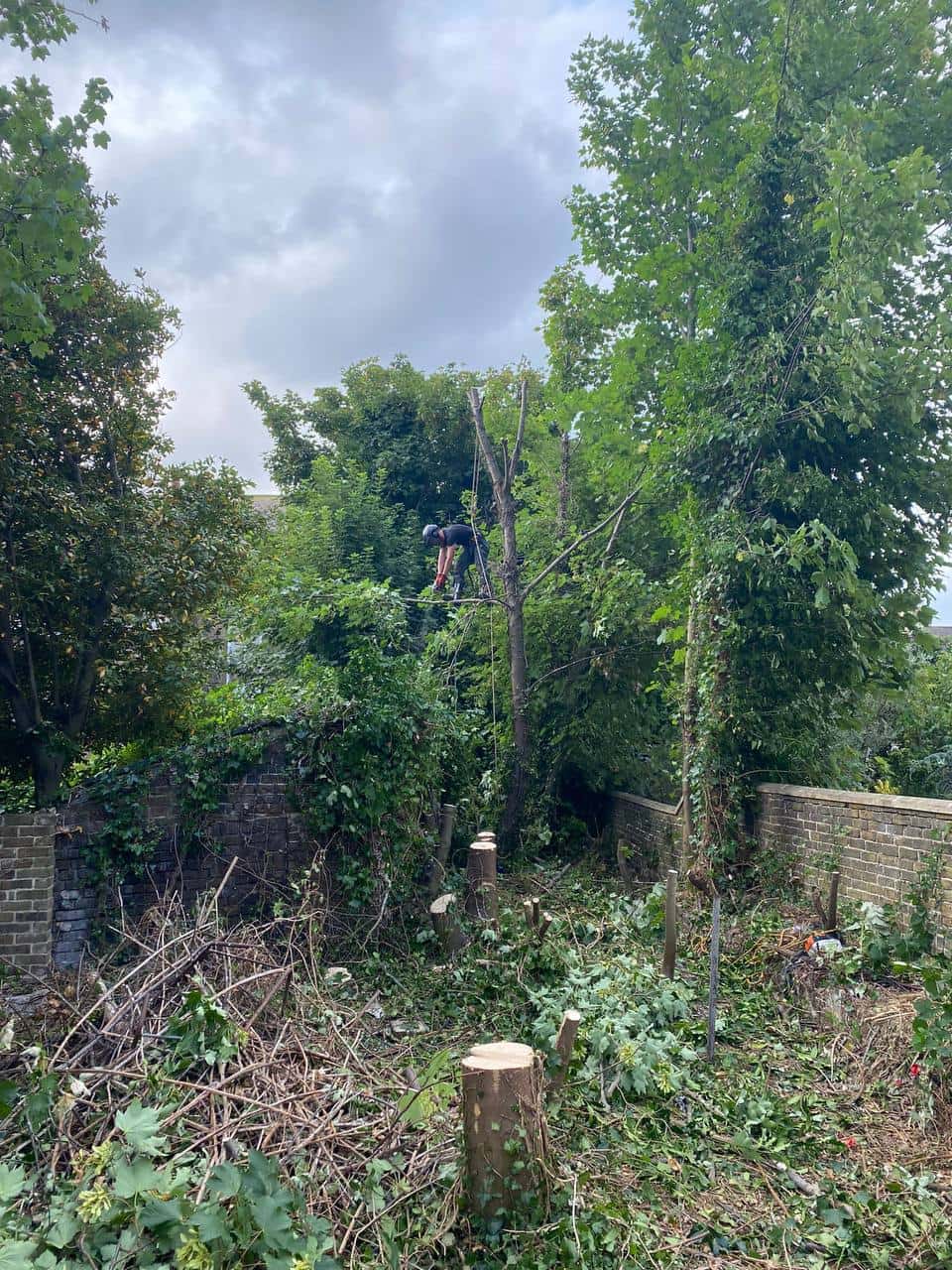
Trees add structure, character, and environmental value to outdoor spaces, but there are situations where removal becomes the only responsible option. While preservation is always preferred, certain conditions mean that keeping a tree in place poses greater risk than benefit. For property owners in Lowestoft, understanding when tree removal is unavoidable helps ensure safety, protect surrounding areas, and support long-term land management.
At Lowestoft Tree Surgeons, we approach tree removal carefully, only recommending it when there is no viable alternative.
1. Severe Structural Damage or Instability
When a tree has suffered major structural damage, its stability may be permanently compromised. This can result from storms, prolonged exposure to strong coastal winds, or internal decay that weakens the trunk or main limbs.
If a tree is no longer structurally sound, it may present an immediate risk to people, buildings, or nearby roads. In these cases, removal is often the safest course of action.
2. Advanced Disease or Decline
Some tree diseases progress to a point where recovery is no longer possible. When the internal structure or root system is severely affected, the tree may continue to decline despite intervention.
In such scenarios, removal helps prevent further deterioration and reduces the risk of sudden failure, especially in populated or frequently used areas around Lowestoft.
3. Irreversible Root Damage
Roots play a critical role in anchoring a tree and supplying essential nutrients. Construction work, ground compaction, or long-term soil disturbance can cause irreversible root damage.
When the root system can no longer support the tree safely, removal may be unavoidable to prevent instability and potential collapse.
4. Direct Threat to Property or Infrastructure
Trees that have grown too close to buildings, walls, or underground services can eventually pose a serious threat. Over time, roots and branches may cause structural stress or interfere with essential infrastructure.
If corrective pruning or root management is no longer effective, removing the tree may be necessary to protect the surrounding property and prevent ongoing issues.
5. Safety Risks in High-Use Areas
Trees located near public footpaths, driveways, or high-traffic areas require careful assessment. If a tree repeatedly sheds large limbs, shows signs of failure, or cannot be stabilised through pruning, the risk to public safety increases.
In these circumstances, removal may be the only practical solution to ensure the area remains safe for regular use.
Professional Assessment Is Essential
Tree removal decisions should never be rushed or based on appearance alone. A professional assessment considers the tree’s condition, location, and long-term impact on the surrounding environment.
At Lowestoft Tree Surgeons, we evaluate each situation thoroughly, ensuring removal is only recommended when it is genuinely unavoidable and carried out with care and precision.
Conclusion
While many tree issues can be managed through pruning, maintenance, or monitoring, there are times when removal is the only safe and responsible option. Severe structural damage, advanced disease, root failure, property risk, and public safety concerns all represent scenarios where keeping a tree in place is no longer viable.
If you are concerned about a tree on your property in Lowestoft, Lowestoft Tree Surgeons is here to help. Our team can provide a professional assessment and clear guidance, ensuring any necessary tree removal is handled safely and responsibly while respecting your outdoor space.
Call us on: 01502 441 299
Click here to find out more about Lowestoft Tree Surgeons
Click here to complete our contact form and see how we can help with your tree needs.